Deck Options for Pets: Build a Secure Outdoor Space for Your Pets
Developing a pet-conscious deck demands thorough planning and deliberation. The appropriate safety features, materials, and comfortable areas can change an typical deck into a safe retreat for animals. It's essential to focus on durability and comfort while maintaining a protected setting for free exploration. Exploring the finest options can guide pet owners toward smarter selections. What targeted methods can boost both fun and safety for animals in outdoor environments?
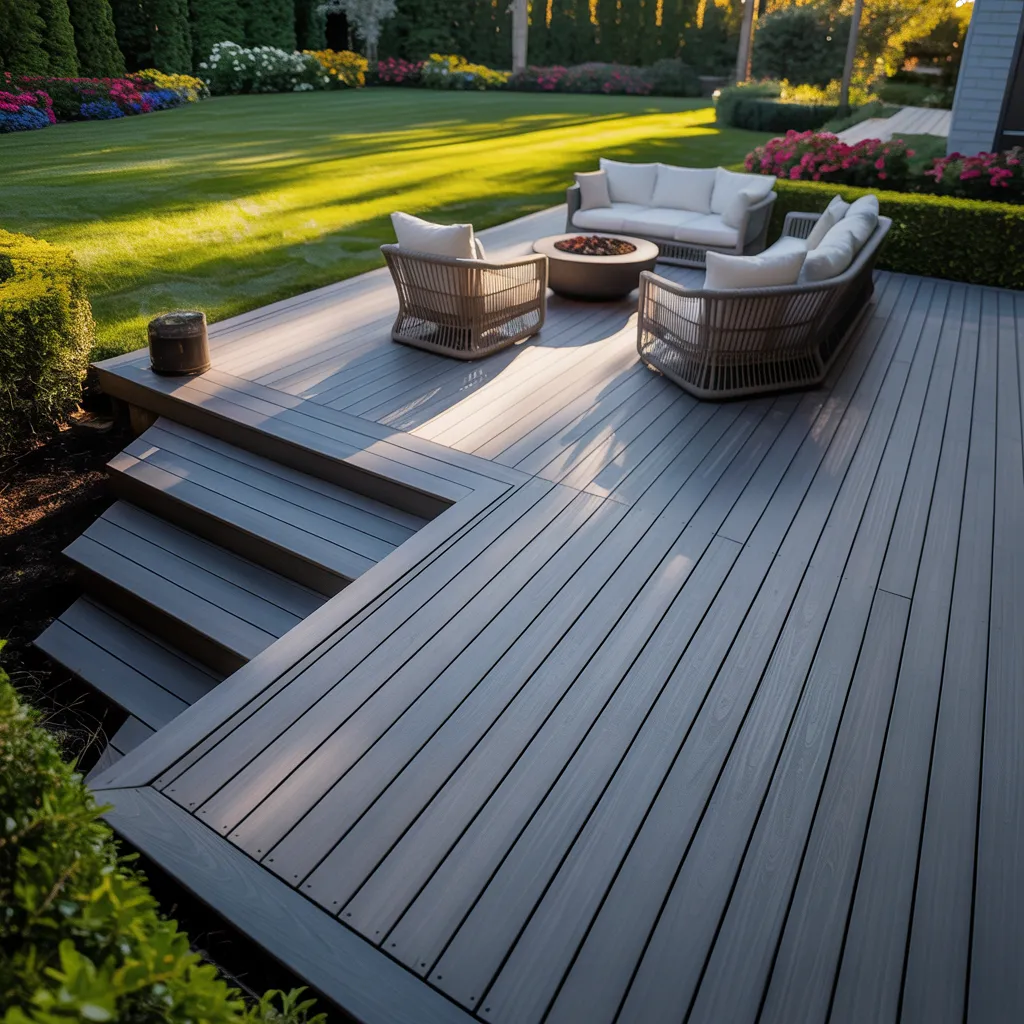
How to Design a Safe and Pet-Friendly Deck
Creating a safe and inviting deck for pets requires careful consideration of various elements. Initially, the floor plan should allow enough area for pets to move around and engage in activities. Adding shaded zones shields pets from excessive heat, while sturdy railings guard against unexpected tumbles.
Furthermore, awareness of potential hazards is vital. Any sharp edges or exposed nails should be remedied, and toxic vegetation ought to be eliminated from the surroundings. Anti-slip flooring can minimize the risk of slips and falls, especially when moisture is present.
Providing comfortable bedding or pet-friendly seating can enhance the space, rendering it more appealing to animals. Regular maintenance is essential, guaranteeing that debris and chemical substances are cleared from the vicinity.
Finding the Right Pet-Friendly Decking Materials
When selecting materials for a pet-compatible deck, durability and safety are paramount. Opting for composite decking proves to be a superior solution, as it is built to resist scratches and stains, making it well-suited for lively pets. Moreover, composite materials are splinter-free, reducing the risk of injury to paws.
Raw timber, including cedar and redwood, offers a warm visual appeal but needs regular maintenance to avoid decay and splinters. Selecting pressure-treated wood can enhance durability, but you must confirm it is safe and non-toxic.
Vinyl decking is an additional excellent option, featuring a smooth surface that is effortless to clean and highly resistant to fading.
Additionally, selecting non-smooth surfaces can boost traction, helping pets maintain their footing. When all is said and done, the ideal materials will provide a secure and pleasant outdoor space for pets while guaranteeing durability and low-maintenance upkeep for the homeowners.
Important Safety Features for Your Deck
Selecting the appropriate components for a pet-safe deck establishes the basis for safety, but additional features are just as crucial. The addition of slip-resistant surfaces is crucial to keep pets from sliding, especially in wet conditions. Rounded edges can considerably lower the likelihood of accidents; pointed edges present a danger to curious animals. Proper drainage should also be taken into account, as accumulated water can result in falls and health-related problems.
Furthermore, carefully positioned shaded areas help protect pets from excessive heat during the summer months. In addition, adding strong railings with tightly spaced balusters ensures that pets cannot slip through or fall from the deck. Placing pet-safe plants around the deck perimeter helps promote safety by preventing accidental ingestion of poisonous plants. As a final measure, a carefully maintained deck with consistent inspections for any loose boards or nails assures a protected space. These critical features work together to establish a safe and welcoming outdoor area for pets.
Ideal Fencing Solutions for Pet Protection
Guaranteeing that pets stay safe within a yard calls for deliberate planning around fencing options. A wooden privacy fence, typically around six feet high, provides a robust barrier against active dogs and agile cats. Vinyl fence options are also popular due to their resilience and ease of care, while still offering a comparable height for containment. For those seeking a more transparent option, chain-link fences with a privacy slat can offer sightlines while securing animals within the yard.
Furthermore, a wrought iron fence can enhance the visual appeal of your yard, but it's important to verify that the gaps remain too small for smaller animals to squeeze through. Electric fences can serve as a supplementary measure, however they demand thorough training to make certain pets are aware of their boundaries. To conclude, ensuring that gates remain locked and self-latching is key to preserving the integrity of a pet-safe yard. Every solution offers distinct advantages suited to varying pet requirements and owner priorities.
How to Design Comfortable Spaces for Your Pets on the Deck
Designing an inviting area for pets on a deck enhances their comfort and enjoyment while outdoors. To make this possible, one can incorporate soft, weather-resistant bedding and cushions, creating a snug area for pets to relax. Thoughtfully arranged shade structures, like umbrellas or canopies, offer relief from the sun, keeping pets refreshed during sunny afternoons.
Incorporating a few blankets can additionally boost the coziness, while non-toxic plants can add a hint of nature without posing health risks. Raised platforms or ramps can assist older pets, creating a more accommodating environment.
Using materials that are safe for pets, including composite decking, confirms that the surface stays paw-friendly. Additionally, providing fresh water in a sturdy bowl encourages hydration, transforming the deck into a great outdoor sanctuary. By incorporating these considerate features, the space becomes a protected and comfortable sanctuary for furry companions, encouraging rest and fun.
Building Pet Play Zones on Your Deck
Building on the cozy setting created for pets, activity zones on the deck can additionally improve their time outside. Allocating a particular zone for play permits pets to participate in active play while appreciating the fresh air. Look into including sturdy, animal-safe surfaces like artificial turf or rubberized surfaces to provide both protection and simple upkeep.
Adding enrichment items, such as chew toys or engaging activities, can support both cognitive and physical act now stimulation. A small agility course, consisting of obstacles and tunnels, can offer hours of entertainment for energetic pets.
Furthermore, shaded areas can be set up by utilizing outdoor umbrellas or pergolas to keep pets safe from the sun while they are playing.
Which Plants Are Safe to Have Around Your Pets?
Selecting the right plants can improve a pet-friendly deck while ensuring safety. It is crucial to factor in safe indoor plant options and pet-friendly outdoor plant choices that pose no danger to pets. Learning which plants are non-toxic enables a harmonious environment for pets and their human companions.
Pet-Friendly Indoor Plants
What houseplants can beautify a home without posing risks to pets? Selecting non-toxic varieties is essential for pet owners. Spider plants, known for their air-purifying qualities, are safe for cats and dogs. The Boston fern adds a lush, green aesthetic and poses no threat to curious pets. Moreover, the parlor palm provides a tropical ambiance with no concerns about pet safety. For those seeking colorful options, the friendship plant is both appealing and pet-friendly. Furthermore, the bamboo palm is an excellent choice that thrives in low light while remaining safe for animals. By incorporating these non-toxic plants, pet owners can create a vibrant indoor environment that prioritizes the well-being of their furry companions.
Secure Outdoor Landscaping Choices
Designing a safe exterior area for pets necessitates thoughtful consideration of landscaping plants. Many common garden plants can create hazards to companion animals, making it crucial to choose non-toxic options. To illustrate, sunflowers, marigolds, and snapdragons are colorful choices that are pet-friendly. Lavender not only provides a pleasant scent but also serves as a calming agent. Moreover, herbs like basil and rosemary can improve the garden setting while being safe for animals. It is essential to steer clear of harmful plants such as azaleas, lilies, and oleander, which can lead to significant health problems. By emphasizing non-toxic garden choices, pet owners can establish a welcoming space where their beloved pets can roam and experience the garden without harm.
Care Tips for a Long-Lasting Pet-Friendly Deck
A thoughtfully maintained pet-friendly deck can greatly elevate outdoor living spaces while guaranteeing safety and comfort for furry companions. Consistent cleaning is vital; pet hair, debris, and spills should be quickly cleared away to avoid stains and unpleasant smells. Using a pressure washer can efficiently remove dirt and grime but must be operated carefully to prevent surface damage.
Inspecting for loose boards or protruding nails is critical to ensure pets stay protected during playtime. Using a non-toxic coating can safeguard wooden areas from water damage and wear , increasing the longevity of the deck. It is also advisable to choose materials that resist scratching and fading , such as composite decking.
Ultimately, keeping a regular timetable for maintenance checks allows for early detection of potential issues, guaranteeing a durable and safe environment for furry companions. By applying these guidelines, homeowners with decks can build an appealing outdoor area that withstands the test of time and playful paws.
Frequently Asked Questions
Can Outdoor Rugs Be Used for Pet Comfort on the Deck?
Outdoor rugs can enhance pet comfort on a deck. They provide cushioning and warmth while preventing slipping. Selecting durable, easy-to-clean materials ensures longevity and easy upkeep, making them a practical choice for pet owners seeking comfort.
What Can I Do to Stop My Pet From Chewing on Deck Railing?
To prevent pets from chewing on deck railings, pet owners can use bitter-tasting deterrent sprays, provide alternative chew toys, and supervise outdoor time. Regular training can also discourage this behavior, creating a more secure space for pets.
How Can You Best Clean Pet Messes on the Deck?
To address pet messes on a deck, it is important to promptly remove solids, wash the area thoroughly with water, apply a pet-friendly cleaning solution, work out persistent stains with a brush, and guarantee thorough drying to prevent odors and bacteria.
Do Pet-Safe Chemicals Exist for Deck Cleaning and Maintenance?
There are indeed pet-safe products for deck cleaning and maintenance. Baking soda, biodegradable cleaners, and vinegar-based solutions are effective options that minimize harm to pets while ensuring a clean and safe outdoor environment.
How Do I Acclimate My Pet to the New Deck Environment?
To familiarize a pet to a newly built deck, slowly expose them to the environment. Begin with short trips, incorporating positive reinforcement and familiar items, while providing careful monitoring to help them settle in and build comfort.